ETHOS is a 4-year £2.5M UKRI NERC funded project, reference NE/Y503241/1 "Co-developed Environmental Solutions to Mitigate the Impact of Temperature Extremes on the Health of Vulnerable Populations"
Vision: This project aims to transform the understanding of temperature-related health risks for the UK’s most vulnerable populations, specifically those with multi-morbidities and neurological conditions. While impacts on healthy groups are documented, significant gaps remain regarding how socio-economic factors, aging, and complex health profiles influence individual exposure. We aim to identify environmental solutions and targetable interventions—such as optimized green spaces—to mitigate risks across England and Wales, both now and through the 2060s. This work seeks to inform urban planning and public health policy, providing precise tools for risk reduction where they are most needed.
Aims: Specifically, the project aims to:Approach: Our multidisciplinary approach operates at multiple scales to provide high-granularity risk assessments:
Organization: The project is organized into nine Work Packages (WPs). WP1 and WP2 model outdoor and indoor temperature extremes to identify critical conditions for buildings and streets. WP3 maps at-risk populations, while WP4 experimentally determines physiological and cognitive thresholds for vulnerable groups. WP5 analyzes healthcare records to link these extremes to specific health outcomes. WP6 integrates these data sets to estimate future risks. WP7 and WP8 identify and co-produce environmental and community-based interventions through qualitative fieldwork and stakeholder engagement. Finally, WP9 translates these findings into practical tools for planning and policy, supported by a Patient and Public Involvement strategy.

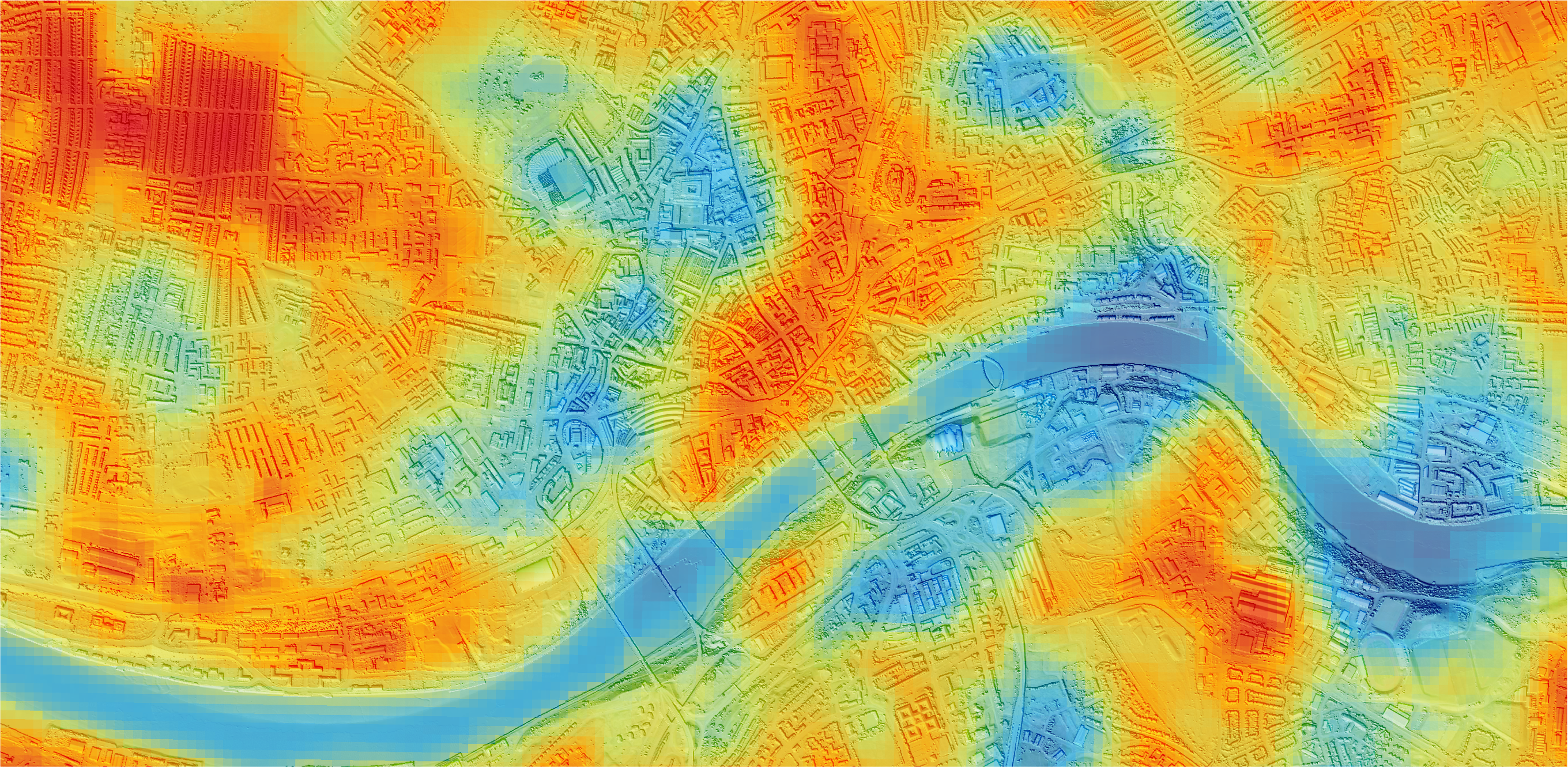
Our team will be in Vienna presenting a novel approach to high-resolution multi-sensor fusion for urban temperature downscaling.
Read More »
Dr Keyvan Hosseini, Researcher at the University of Southampton, organising a focus group discussion in Southampton as part of WP8: Community Resilience. The session explored community experiences of the impacts of heatwaves and cold spells, helping to improve understanding of local resilience, adaptation needs, and lived experiences of extreme weather.
Read More »
We discussed the specific challenges and vulnerabilities faced by the MS community during extreme heat events in a warming world.
Read More »Hassan N, Mohamed L, Wilson S, Tolley C, Ahmed A, Baxter C, Slight R, Namdeo A and Slight SP.
Frontiers in Medicine, 12:1704117
View DOI 2026N. Koch Esteves, D. Luck, H. Blount, F. R. Cavallo, P. R. Worsley, J. Sheffield, I. Galea, and D. Filingeri.
American Journal of Physiology-Regulatory, Integrative and Comparative Physiology, 330:2, R232-R242
2026Filingeri, D., & Koch Esteves, N.
Experimental Physiology, 111, 1669–1686
View DOI 2025Arun Dahil, Cameron Pinn, Lucy Smith, Nehal Hassan, Nuno Koch Esteves, Glenn Simpson, Hajira Dambha-Miller.
medRxiv Preprint
View Preprint Registered ProtocolSarah Wilson, Clare Tolley, Leanne Morrison, Dawn-Marie Walker, Sarah Slight, Valentina Abayomi, Nehal Hassan, Madalena Vaz-Monteiro, Davide Filingeri, Justin Sheffield, Nuno Koch Esteves, Robert Slight.
PROSPERO 2025: CRD420251023140
View RegistrationHosseini, K., Wilson, S., Walker, D. M., Morrison, L., Tolley, C., Watson, C., Hosseini, S. M., Johnson, M., and Sheffield, J.
Berendsen, S., Li, X., Tanathitikorn, C., Blenkinsop, S., James, P., Namdeo, A., and Sheffield, J.
Koch Esteves N, Blount H, Filingeri V, Aceves-Gonzalez C, Jones D, Hansell G, Tewkesbury A, Worsley PR, James PAB, Dall’Ora C, Nunes AR, Gordon RJFH, Brooks K, Portillo MC, Jenkins K, Roberts T, Sach T, Lee JKW, THERMO-CARE PPIE Panel, Filingeri D.
Koch Esteves N, Manning C, Blount H, Worsley PR, Sheffield J, Galea I, & Filingeri, D.
Justin Sheffield.
Sarah Wilson, Clare Tolley, Leanne Morrison, Dawn-Marie Walker, Valentina Abayomi, Nehal Hassan, Robert Slight, Davide Filingeri, Madelena Vaz-Monteiro, Nuno Koch Esteves, Justin Sheffield & Sarah Slight.
Koch Esteves N, Luck D, Blount H, Cavallo FR, Worsley P, Sheffield J, Galea I, Filingeri D.
Investigators: Dawn-Marie Walker, Emma Plugge, Stephanie Gauthier, Andy Power, Justin Sheffield
Investigators: PI: Davide Filingeri; Research Fellow: Nuno Koch Esteves
A research blog interview discussing the specific challenges and vulnerabilities faced by the MS community during extreme heat events.
Read Blog PostStrategic meeting to discuss the ETHOS project objectives and explore potential collaborations for urban heat resilience within the city.
Meeting with Rebecca Kinge and Fred Bassett to discuss community-led environmental solutions and social enterprise involvement in climate health.
Institution: University of Southampton
Role: Principal Investigator (WP1 Outdoor risks; WP6 Combined risks; WP9: Tools)
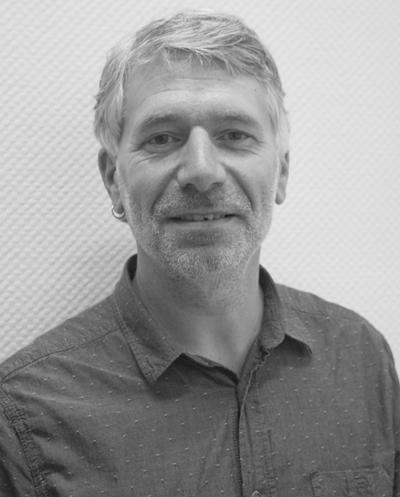
Justin Sheffield is a Professor of Hydrology and Remote Sensing and Head of School at the University of Southampton. Specializing in hydroclimatology, his research explores large-scale hydrology and its complex interactions with climate variability. He has published extensively on hydrological extremes, water security, and natural hazard reduction, particularly in developing nations. Sheffield's pioneering work in drought monitoring and prediction has earned prestigious accolades, including the Prince Sultan Bin Abdulaziz International Prize for Water and the Plinius Medal. A recognized leader in his field, he also delivered the 2019 Horton Lecture for advancing integrated tools for food-insecure regions.

Institution: Newcastle University
Role: Co-Principal Investigator (WP5 Health outcomes; WP6 Combined risks)
Sarah Slight is Professor of Patient Safety and Digital Health at Newcastle University. Her research focuses on developing and evaluating digital health technologies to improve patient safety, inform clinical decision-making, and support patient care. Sarah has secured over £15 million in peer-reviewed funding from national and international organizations, including the NIHR, FDA, and European Commission. Her work addresses digital health equity, examining barriers faced by underserved groups. She also explores how digital tools support patient pathways and health behaviors. A Fellow of the Royal Pharmaceutical Society, she holds honorary positions, including Visiting Professor at King’s College London.
Institution: University of Southampton
Role: Co-Investigator (WP2: Indoor risks)
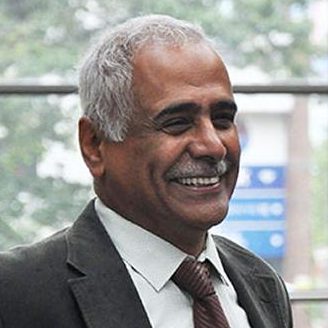
Professor AbuBakr S Bahaj (FREng) is a leading expert in sustainable energy at the University of Southampton, where he heads the Energy & Climate Change Division. With over 30 years of pioneering research, he oversees major programs in renewable energy (solar, marine, wind), low-carbon cities, and energy access for developing nations. Beyond his 350+ publications, Bahaj serves as Chief Scientific Advisor to Southampton City Council and co-chairs the FCDO Research Advisory Group. Recognized as one of the UK’s top 100 scientists, he drives international strategy and policy to integrate resilient infrastructure and sustainable technology worldwide.
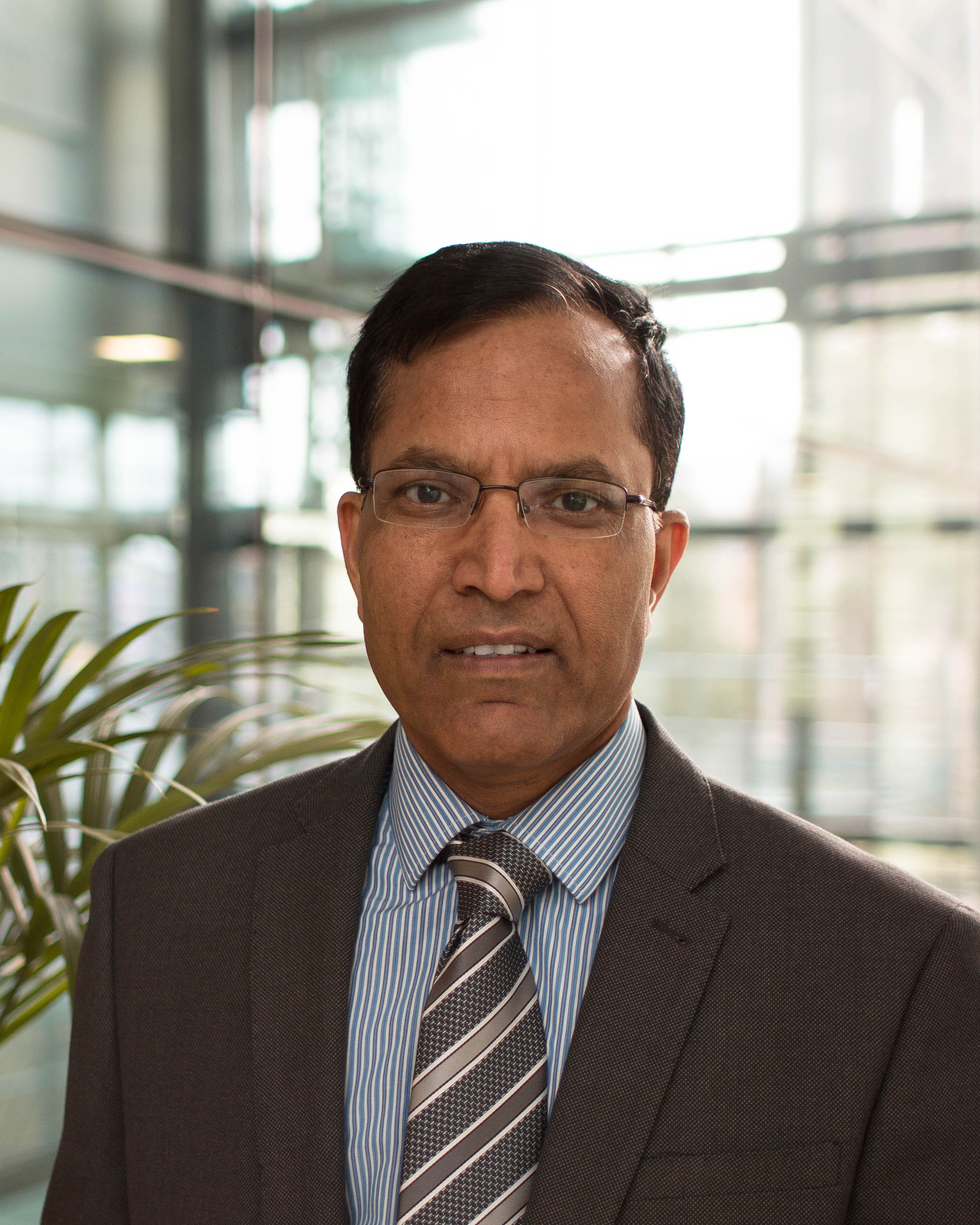
Institution: University of Northumbria
Role: Co-Investigator (WP1: Outdoor risks; WP5: Health outcomes)
Professor Anil Namdeo is a Professor of Air Quality Management and Net Zero at Northumbria University, specializing in the nexus of environmental quality, climate change, and public health. His research utilizes innovative monitoring, low-cost sensors, and citizen science to assess real-world exposure patterns in global urban centers. As a UKRI Regional Clean Air Champion and advisor to Defra’s Air Quality Expert Group, he bridges complex atmospheric science with public policy. A multi-fellowship academic and Chartered Scientist, Namdeo leads interdisciplinary efforts to understand how climatic extremes and air pollution impact vulnerable populations, driving practical interventions for a sustainable, net-zero future.
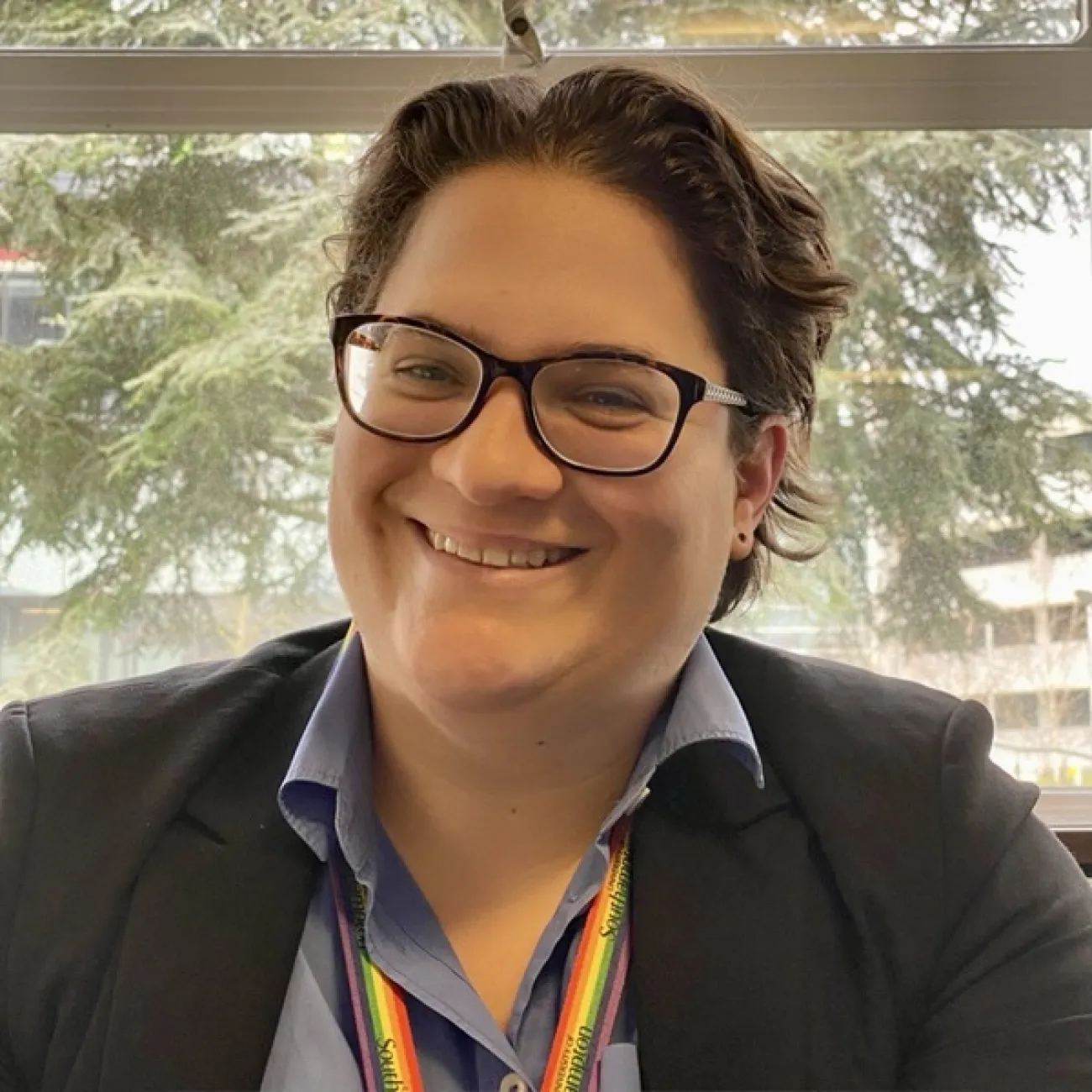
Institution: University of Southampton
Role: Co-Investigator (WP5: Health outcomes)
Athina Vlachantoni is a Professor of Gerontology and Social Policy at the University of Southampton, specializing in the intersection of ageing and social policy. Using mixed methodologies, her research addresses critical societal challenges, including the impact of ambient temperatures on individual wellbeing within the ETHOS project. As a prominent researcher, she leads an ESRC project investigating pension protection among UK minority ethnic groups and serves as a Co-Investigator for the Centre for Population Change. Her work extensively explores intergenerational support systems and the complex dynamics between economic activity and the provision of care in later life.

Role: Researcher (WP1: Outdoor risks; WP5: Health outcomes)
Dr. Chuleekorn Tanathitikorn is a Research Fellow at Northumbria University and an expert in public health and medical education with over 17 years of experience. Specializing in the intersection of climate change and health, she currently contributes to the UKRI/NERC-funded ETHOS project, focusing on mitigating the impacts of temperature extremes on vulnerable populations. A certified Diplomate in Preventive and Occupational Medicine, Dr. Tanathitikorn has a significant international profile. Her collaboration with the World Health Organization (WHO) includes developing regional strategies and Heat-Health Warning Systems, bridging clinical practice with global policy to address environmental and occupational health challenges.
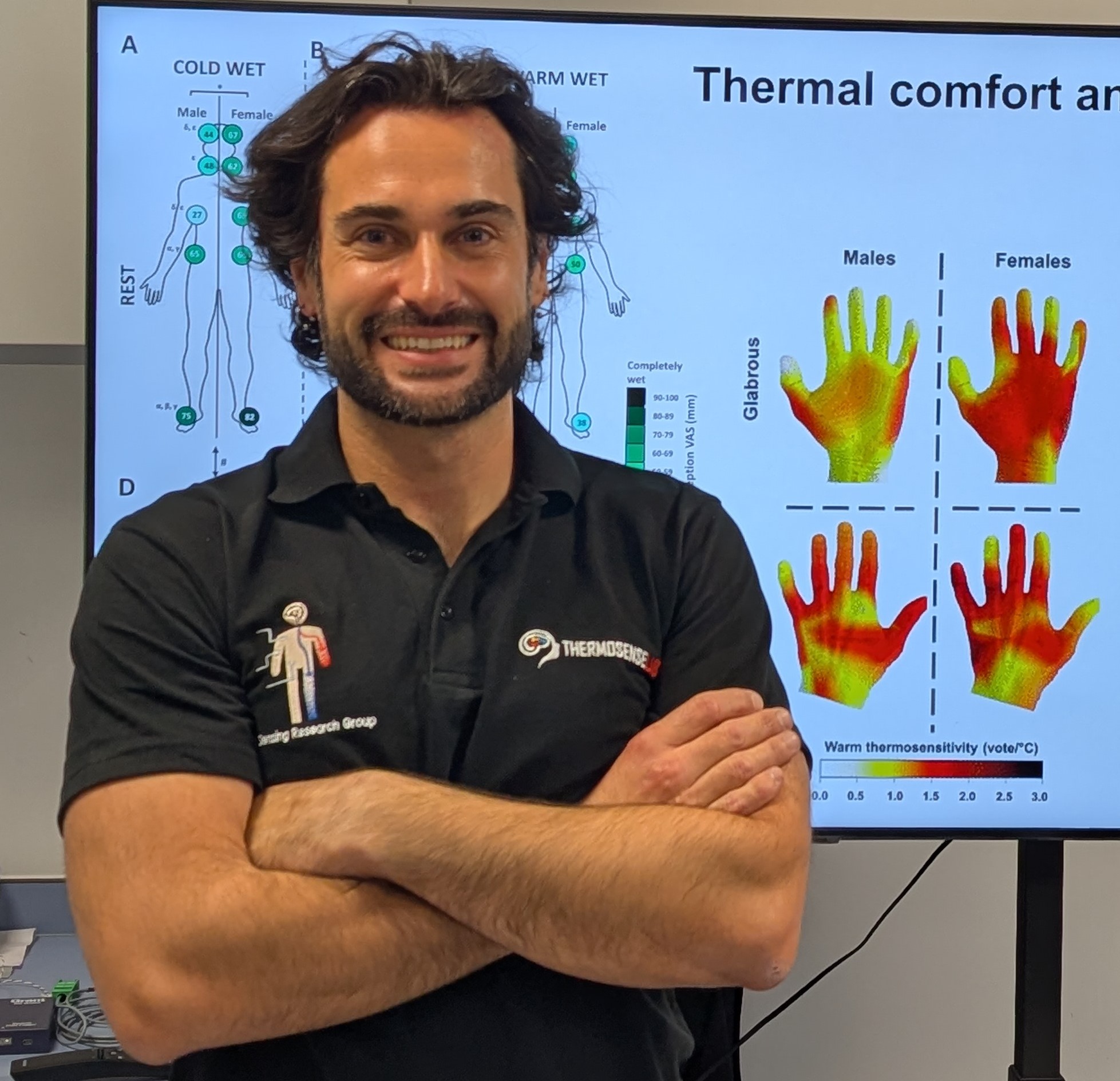
Institution: University of Southampton
Role: Co-Investigator (WP4: Heat resilience)
Dr. Davide Filingeri is a Professor of Human Thermal Physiology at the University of Southampton, where he leads the Thermosenselab and serves as the university’s heat stress theme lead. An international authority on skin thermal and wetness sensing, his fundamental research has revolutionized industrial practices for thermal wearables and improved clinical understanding of heat intolerance. Through strategic partnerships with global giants like Nike and P&G, and engagement with heat-sensitive patient groups, Filingeri bridges science and application. He currently directs a multidisciplinary climate-health program, utilizing integrative human physiology and state-of-the-art climatic chambers to study thermal stress.
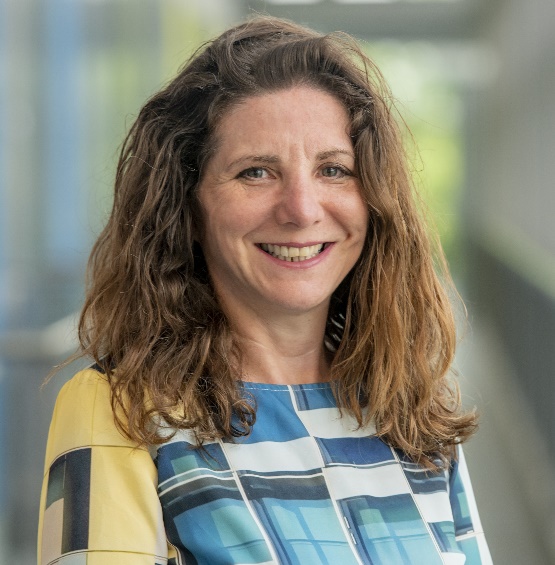
Institution: University of Southampton
Role: Co-Investigator (WP8: Community resilience)
Dawn-Marie Walker is the Associate Dean for Equality, Diversity, and Inclusivity within the Faculty of Environmental and Life Sciences at the University of Southampton. As a dedicated advocate for health equity, her work centers on utilizing evidence-based approaches to address systemic disparities. Her research specifically investigates the socio-environmental causes of health inequalities, exploring how geographic location and environmental factors influence health outcomes. By focusing on vulnerable populations, she aims to uncover how surrounding environments impact long-term wellbeing. Through her leadership and academic contributions, Dr. Walker strives to bridge the gap between environmental science and equitable public health solutions.
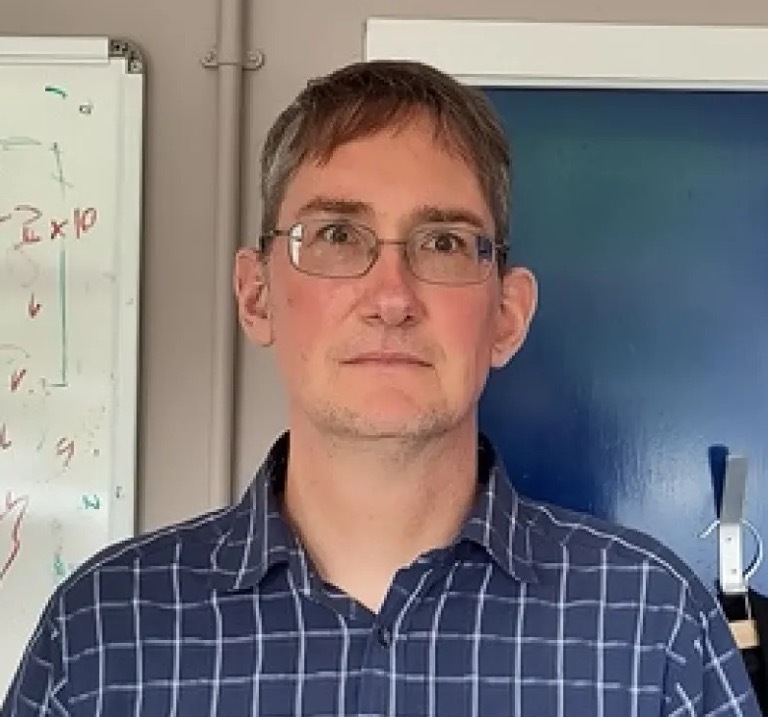
Institution: University of Southampton
Role: Co-Investigator (WP3: Hazard exposure)
Professor Felix Eigenbrod is a Professor of Applied Spatial Ecology and Co-Chair of Sustainability Science at the University of Southampton. His research addresses the sustainable management of landscapes to balance essential human needs—such as food, clean water, and low-carbon energy—with the biodiversity that sustains global ecosystems. Focusing on environmental trade-offs, Professor Eigenbrod identifies solutions that minimize negative impacts, such as prioritizing renewable energy over fossil fuels. His applied work utilizes "big data" and innovative statistical modeling to solve practical challenges, including optimizing UK tree-planting and analyzing the health benefits of greenspace. He leads interdisciplinary efforts to integrate nature recovery into land-use planning. Home page
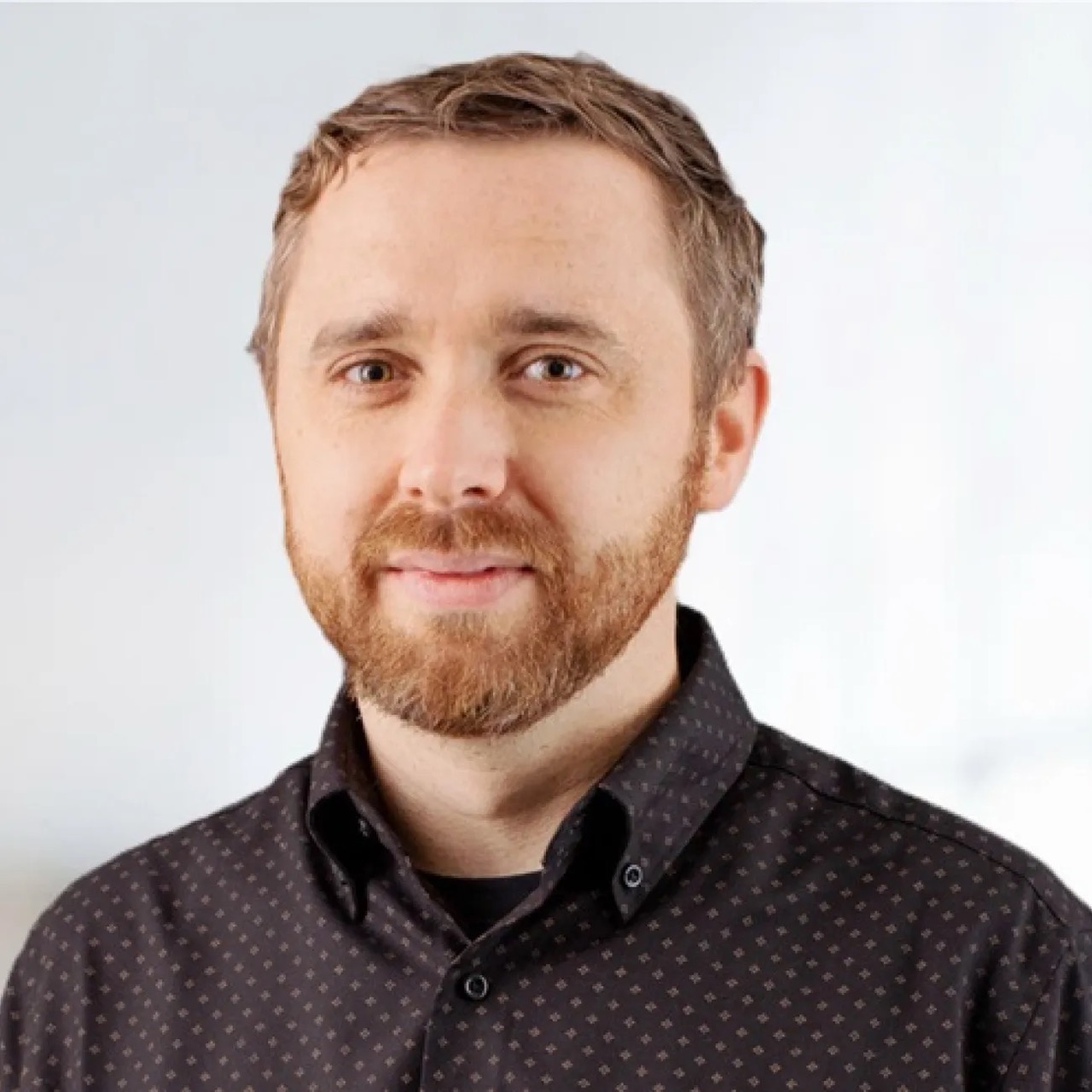
Institution: University of Southampton
Role: Co-Investigator (WP3: Hazard exposure)
Jason is a social statistician and demographer, whose current research focuses on methods for the probabilistic forecasting of the components of demographic change: mortality, fertility and migration. He is an Associate Professor in the Department of Social Statistics and Demography at the University of Southampton, and a member of the Centre for Population Change. His research interests include population forecasting, applied Bayesian statistics, and social simulation.
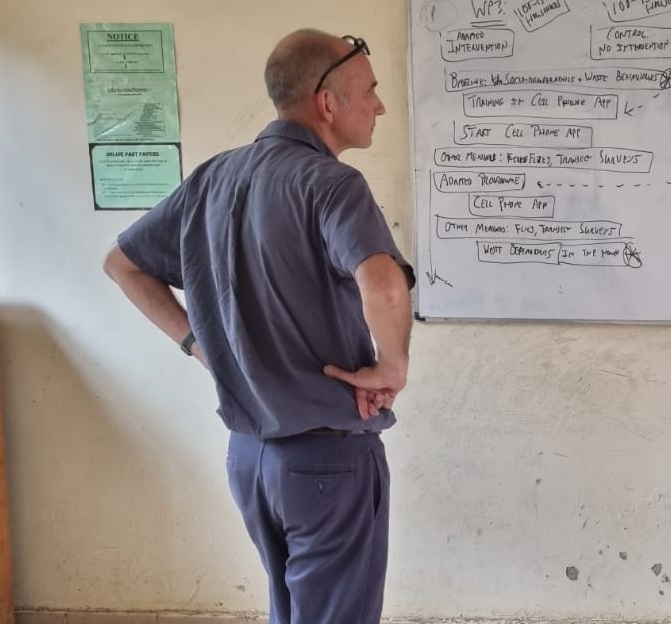
Institution: University of Southampton
Role: Co-Investigator (WP6: Risk mapping)
Jim Wright is a professor in University of Southampton’s School of Geography and Environmental Science, with interests in geospatial data and also environmental health. He has previously worked on projects examining topics such as flood risk and climate beliefs in northern Ghana. He is working on the ETHOS project’s integrative Work Package 6, and has been exploring the emerging range of building and indoor temperature products and their integration with population data.
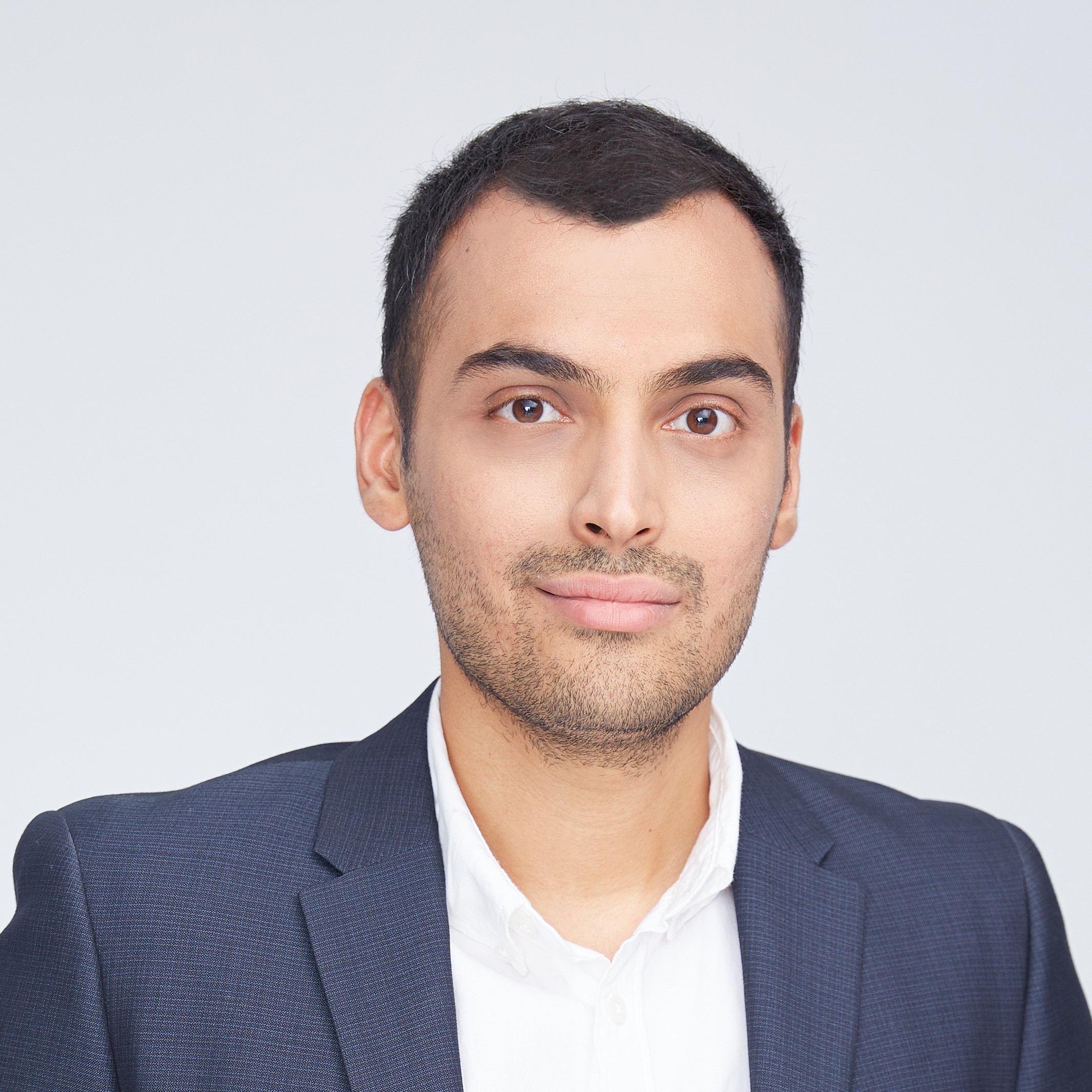
Institution: University of Southampton
Role: Researcher (WP8: Community resilience)
Dr. Keyvan Hosseini is a Research Fellow at the University of Southampton, contributing to the UKRI-funded ETHOS project. With a background in industrial engineering and management science, his research focuses on energy economics, climate change, and sustainability transitions toward climate neutrality. He has previously held research positions at Trinity College Dublin and serves as an Affiliated Lecturer at Södertörn University. His multidisciplinary work emphasizes operations research-based frameworks and public policy to achieve just transitions. Keyvan’s research addresses car dependence, accessibility, and stakeholder engagement, with extensive publications in leading journals exploring the intersection of environmental development and socioeconomic planning.
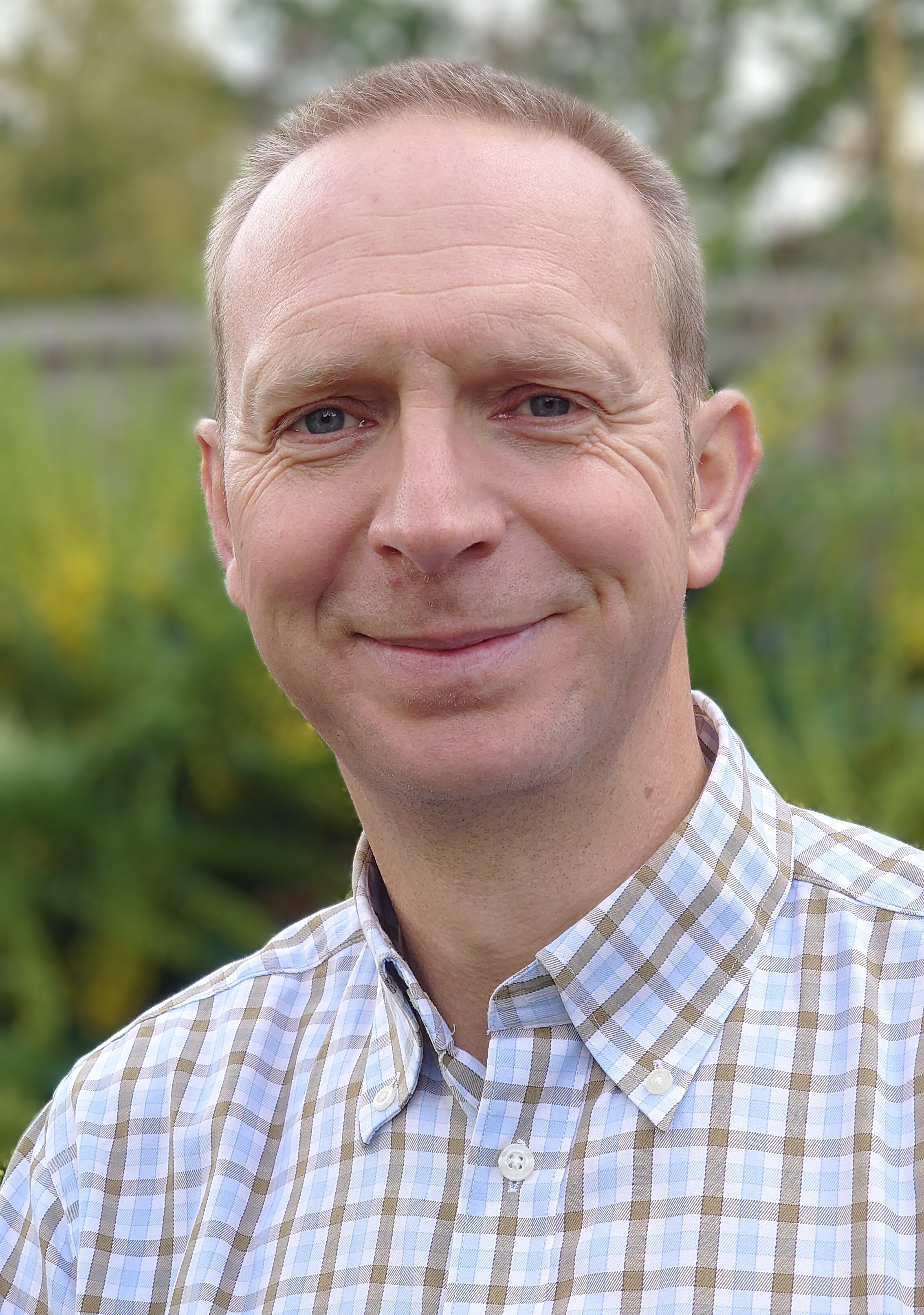
Institution: Forest Research
Role: Co-Investigator (WP7: Environmental mitigation)
Kieron Doick is the Head of the Urban Forest Research Group (UFoRG) at Forest Research, where he leads the delivery of scientific knowledge on the UK’s urban forests. His research focuses on urban forest resilience, tree valuation, and quantifying the vital ecosystem services that trees provide to society, including urban cooling. An expert in assessing the benefits of trees in and around the urban realm, Kieron works to value these services to support sustainable environmental planning. Within the ETHOS project, he supports the delivery of Work Package 7, collaborating with colleagues to enhance the role of urban forestry in climate adaptation.
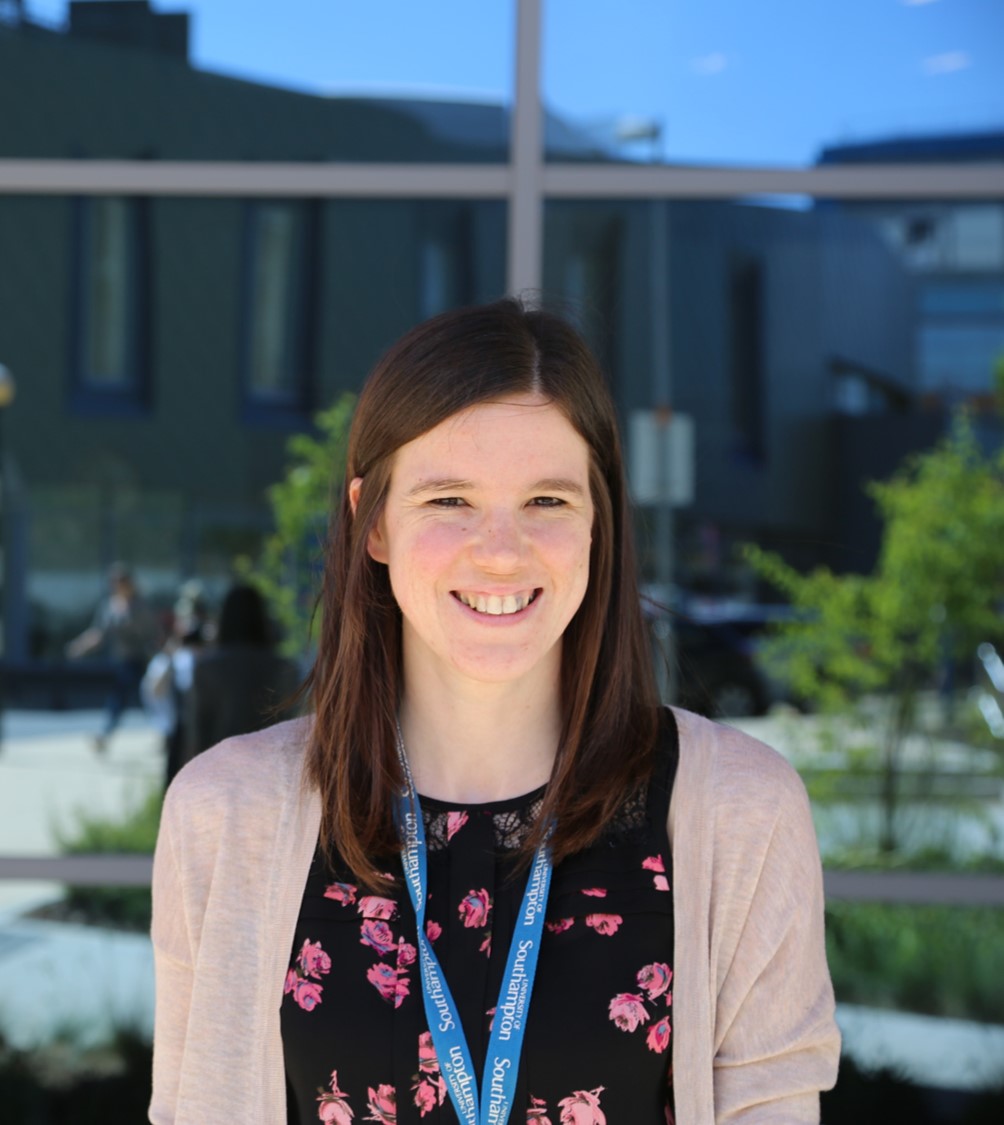
Institution: University of Southampton
Role: Co-Investigator (WP8: Community resilience)
Dr. Leanne Morrison is an Associate Professor in Psychology at the University of Southampton and a founding member of the Digital Interventions Group. Her research specializes in supporting the self-management of health conditions through behavior change interventions in community and primary care settings. Notably, she co-created the internationally endorsed Person-Based Approach to intervention development. In the ETHOS project, Leanne contributes qualitative expertise to Work Package 8. She applies a person-based lens to examine the contextual factors that influence how individuals and communities engage with strategies designed to mitigate the health impacts of temperature extremes.
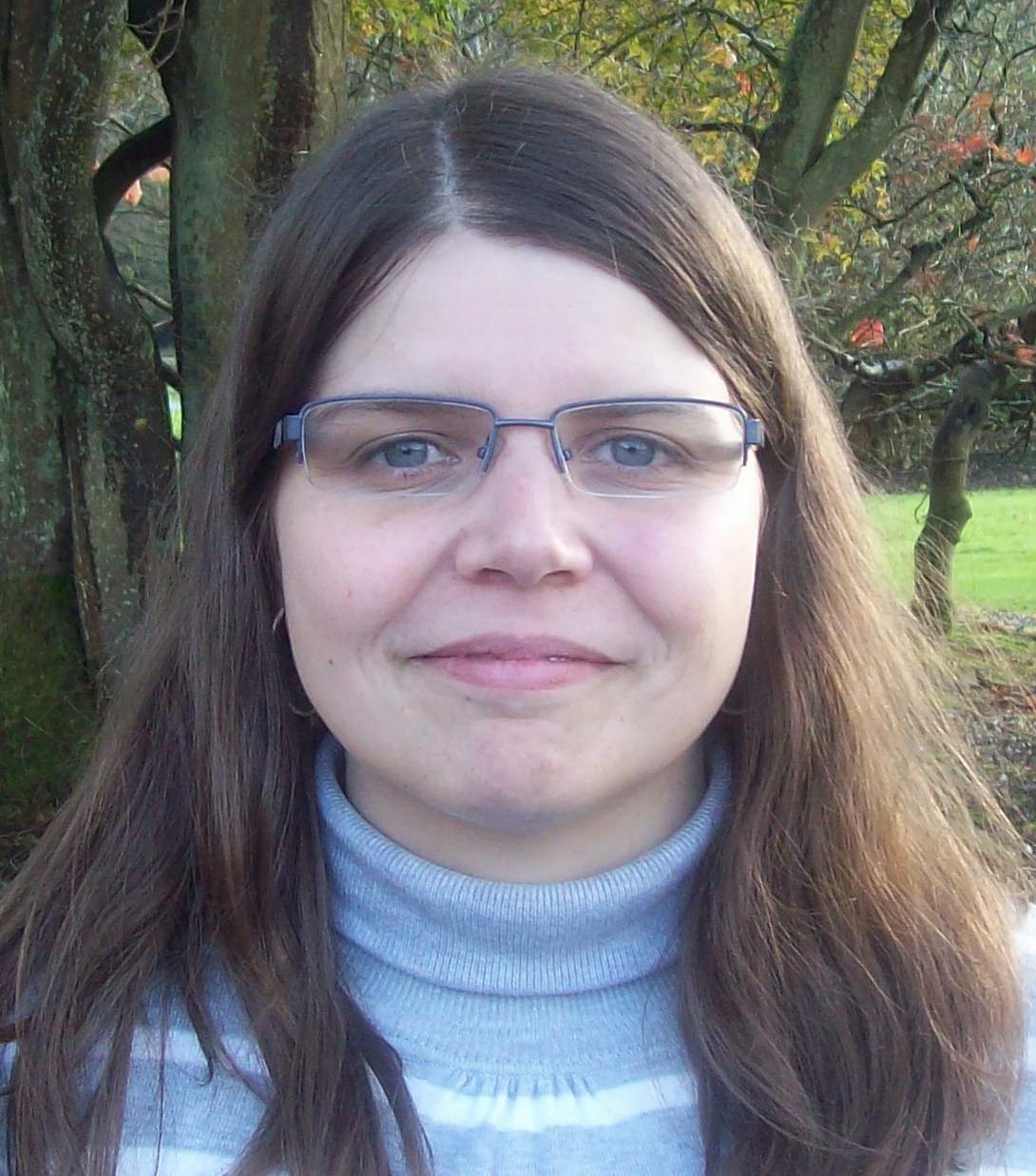
Institution: Forest Research
Role: Co-Investigator (WP7: Environmental mitigation)
Dr. Madalena Vaz Monteiro is an Urban Forest Scientist within the Urban Forest Research Group at Forest Research. Following an MSc and PhD in horticulture from the University of Reading, she has focused her career on the growth of urban trees and the vital ecosystem services provided by green spaces. Her primary research investigates how urban forests regulate microclimates to combat the Urban Heat Island effect and mitigate extreme temperatures. Madalena leads contributions to the ETHOS project’s Work Package 7, focusing on environmental mitigation measures. She is also a key researcher for the HEARTH national hub, addressing net-zero goals, health, and extreme heat.
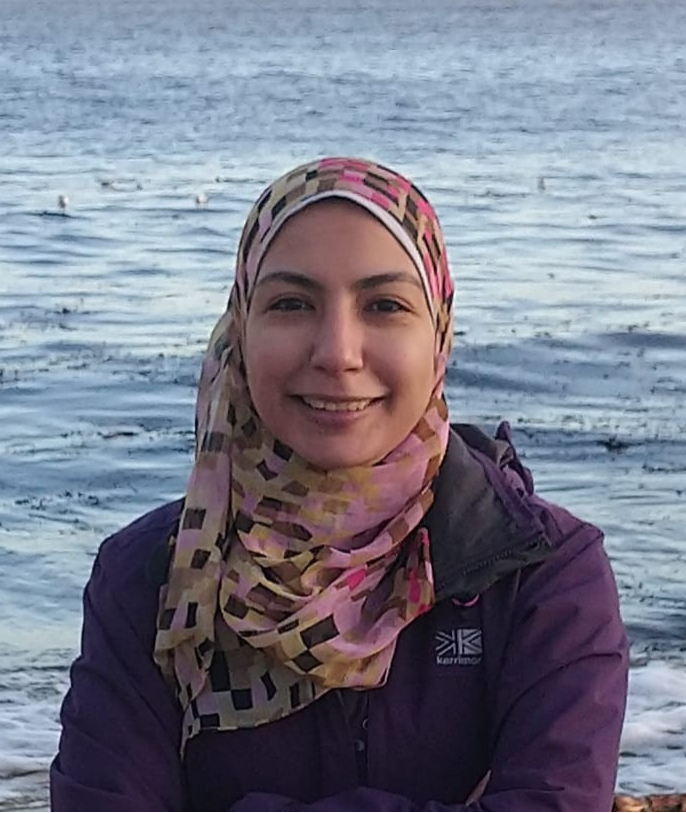
Institution: University of Newcastle
Role: Researcher (WP5: Health outcomes)
Dr. Nehal Hassan is a pharmacist and Clinical Pharmacy Lecturer at Newcastle School of Pharmacy, working at the intersection of clinical practice, AI, and digital health. Also a Visiting Research Fellow at King’s College London, her research focuses on developing predictive models and digital tools to enhance healthcare for individuals with long-term conditions, particularly within deprived communities. Within the ETHOS project, Nehal leads efforts in Work Package 5 to analyze how extreme temperature events impact GP visits for patients with multiple long-term conditions in London. Her work aims to identify key risk factors, enabling proactive interventions to protect vulnerable populations.
Institution: University of Southampton
Role: Researcher (WP4: Heat resilience)
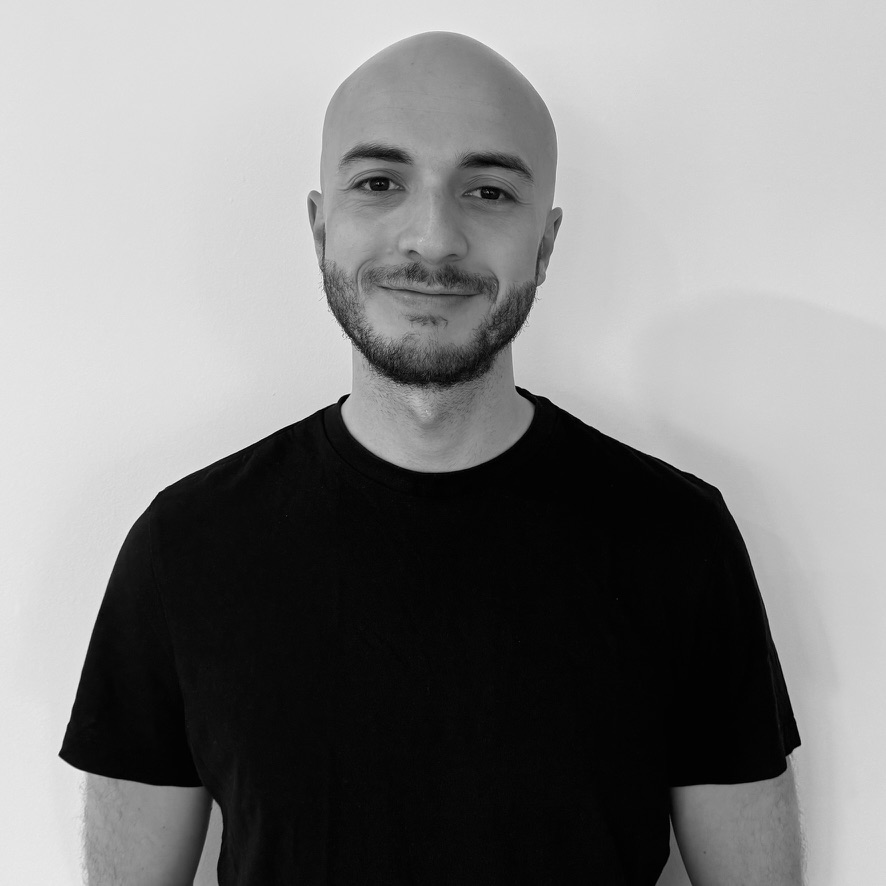
Dr Nuno Koch Esteves is a Research Fellow in Thermal Physiology — within the Thermosenselab at the University of Southampton — primarily working on a UKRI-funded NERC project (ETHOS) to explore the effects of simulated heatwave conditions on the health of older adults and patient populations (e.g., people with multiple sclerosis).

Institution: University of Southampton
Role: Co-Investigator (WP2: Indoor risks)
Professor Patrick James is a physicist and Chartered Engineer specialising in energy, buildings, and micro-generation. His extensive research focuses on energy-related behaviour and energy for development, with over 150 publications in leading journals and international conferences. A Fellow of CIBSE, Professor James led the UK’s landmark micro-wind trial analysis for the Energy Saving Trust. He also served as the technical lead for major rural electrification projects across Cameroon, Uganda, and Kenya. Within the energy sector, he is recognized for his expertise in integrating sustainable technologies and technical modelling to enhance building efficiency and global energy access.
Institution: Newcastle University
Role: Co-Investigator (WP1: Outdoor risks)
Professor Phil James is a Professor of Data Science and the Director of the Newcastle Urban Observatory, an internationally recognized leader in urban monitoring systems. He spearheaded the £8m UK Urban Observatory Programme and currently serves on several high-level government advisory groups for digital infrastructure and secure connected places. His extensive research portfolio includes leading multi-million-pound initiatives such as the National AI Hub for Edge Computing and the DARe Hub for resilient transport. Within the ETHOS project, Phil leverages his expertise in large-scale data science and digital solutions to address the health impacts of temperature extremes on vulnerable populations.
Institution: University of Southampton
Role: Co-Investigator (WP3: Hazard exposure)
Dr. Samantha Cockings is an Associate Professor in Socio-economic applications of GIS at the University of Southampton. A geospatial scientist with an applied background in mapping and modelling population, environment, and health, her research involves modelling populations at high spatial and temporal resolutions to aid decision-making and planning. She worked with the Office for National Statistics to design the small geographical areas for the 2011 and 2021 Censuses using AZTool software. Her Population24/7 methods and SurfaceBuilder247py software provide estimates of population distribution at specific times, enabling assessments of exposure and risk regarding flooding, air pollution, climate change, and national security.
Institution: Newcastle University
Role: Researcher (WP8: Community resilience)
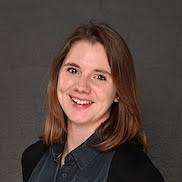
Sarah Wilson is a Research Associate at Newcastle University. As a qualitative researcher, she has worked on several large projects exploring the fields of digital health and environmental health. She is particularly interested in engaging and involving diverse under-served communities within research. Sarah completed her PhD at Newcastle University in 2025, which examined strategies to promote digital health equity and explored the experiences of those most at risk of digital exclusion. Her doctoral work involved a multi-methods study aimed at producing recommendations to advance digital health equity for under-served populations.
Institution: Newcastle University
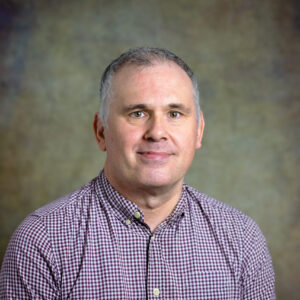
Role: Co-Investigator (WP1: Outdoor risks)
Dr. Stephen Blenkinsop is a Senior Lecturer in the School of Engineering and School X at Newcastle University. As a climate scientist, his research focuses on analyzing historical trends in extreme rainfall and weather events, alongside the atmospheric processes that drive them. He has developed quality control methods for sub-daily rainfall data, work that earned him the International Journal of Climatology Editor’s Award in 2020. Dr. Blenkinsop also assesses future climate risks to society, infrastructure, and health. He is a member of the International League Against Epilepsy’s Climate Change Commission and leads the North East Climate Ambassadors hub.
Institution: University of Southampton
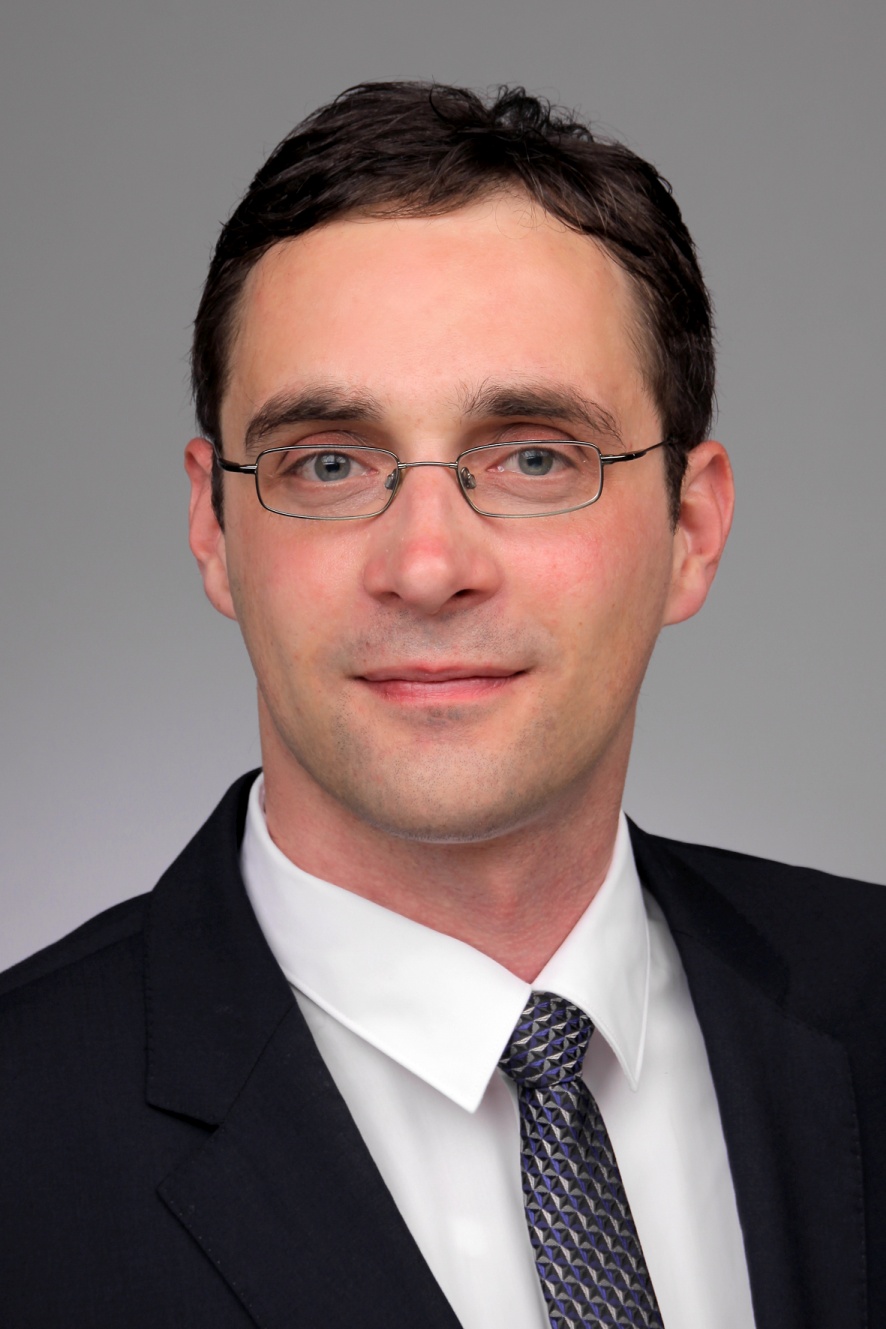
Role: Researcher (WP1: Outdoor risks)
Sven Berendsen is an accomplished modeller with extensive expertise in hydrology, hydraulics, and agent-based modelling. After working professionally in Germany on flood forecasting, risk mapping, and mitigation, he completed a PhD at Newcastle University focused on agent-based modelling of city-scale water demand. He has since contributed to several postdoctoral projects at the University of Southampton. His diverse research includes studying soil moisture in Morocco and developing a global gross primary productivity dataset. Most recently, as part of the ETHOS project, he has focused on downscaling urban temperature maps to better understand localized climate impacts.

Institution: Newcastle University
Role: Researcher (WP1: Outdoor risks)
Dr. Xueqin Li is a Research Associate at Newcastle University, specialising in climate data modelling and high-resolution geospatial analysis. She currently focuses on temperature extremes and national-scale spatial data analysis within the ETHOS project, integrating observational and climate model datasets (e.g., HadUK-Grid and UKCP) to support climate–health research. She is also an expert in GIS applications, with ongoing contributions to the World Bank’s Water for Rural Resilience project.
Institution: Newcastle University
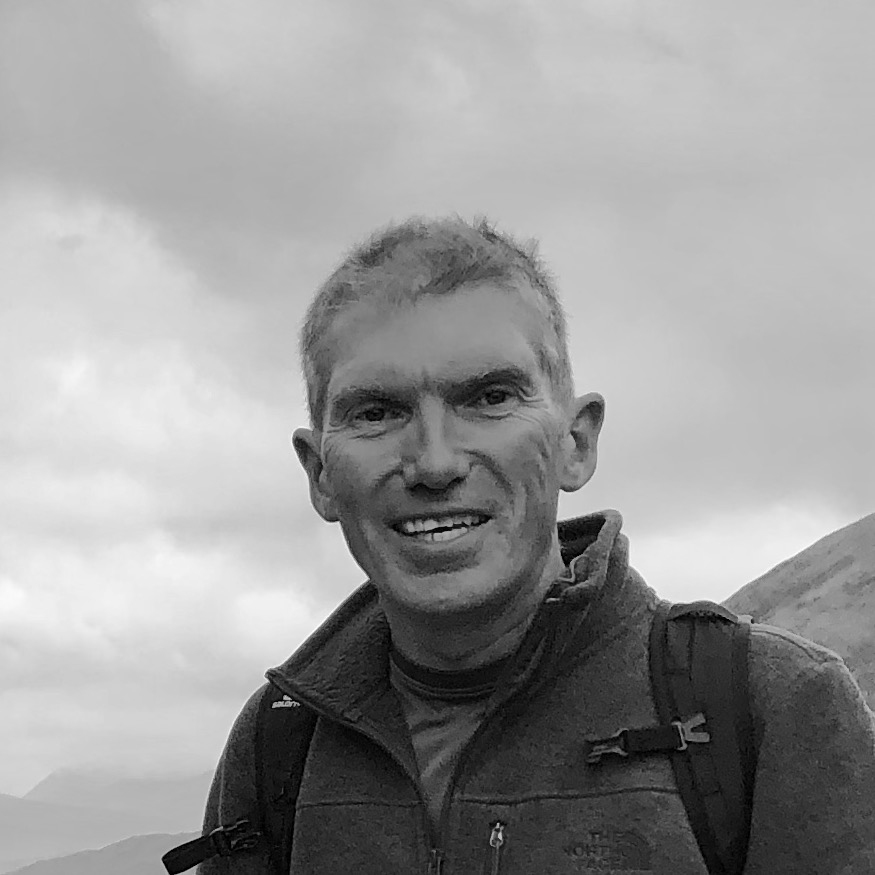
Role: Co-Investigator (WP5: Health outcomes)
Robert (Bob) Slight is a Consultant Thoracic Surgeon at Newcastle Hospitals and Honorary Clinical Senior Lecturer at Newcastle University. He works with deprived communities in the North-East, focusing on multi-morbidity, health inequity, air quality, healthcare systems, and surgical safety. Bob supervises PhD research in artificial intelligence, digital support, and surgical safety. He co-leads the HEALTH project, addressing air quality impacts on vulnerable groups, and works within ETHOS on the relationship between temperature, multi-morbidity, and healthcare requirements. He holds a PhD in circulatory physiology and blood transfusion and is a Fellow of the British Computer Society.
Institution: University of Southampton
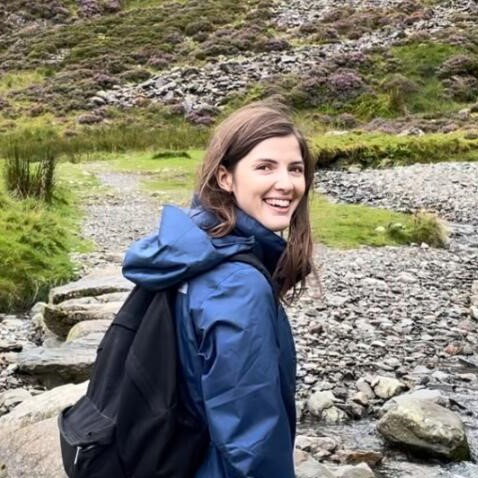
Role: Co-Investigator (WP5: Health outcomes)
Dr. Rebecca Collins is a Lecturer in Environmental Science at the University of Southampton. Her research investigates how environmental conditions, including climate, urban greenspace, pollution, and social inequality, influence health and wellbeing across populations. Using UK longitudinal datasets like the UK Household Longitudinal Survey, she analyzes how environmental exposures and temporal changes affect health outcomes. Rebecca employs advanced statistical methods, such as data matching, to improve causal inference and clarify the complex relationships between individuals and their environments.
Institution: Forest Research
Role: Researcher (WP7: Environmental mitigations)
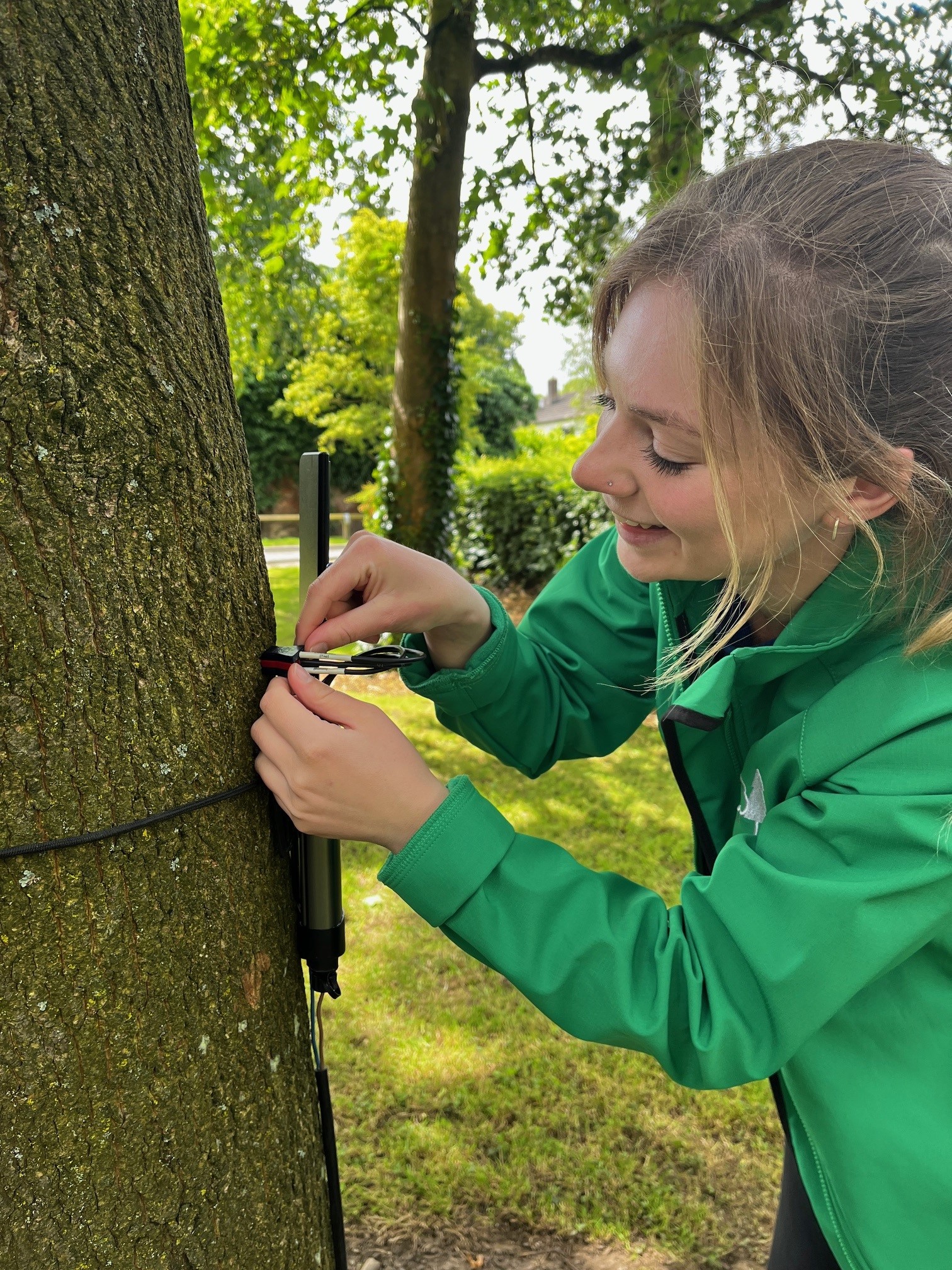
Sally Crudge is an Urban Forest Scientist in the Urban Forest Research Group at Forest Research. Her work involves analyzing and modelling the structural and spatial characteristics of urban forests to understand their delivery of ecosystem services. With a BSc in Geography and an MRes in Geospatial Data Science, she also brings practical experience from leading municipal tree-planting initiatives. Within the ETHOS project, she co-delivers Work Package 7, collaborating with colleagues to integrate urban forestry into climate adaptation strategies.

Institution: University of Southampton
Role: Researcher (WP5: Health outcomes)
Dr. Shimaa Elkomy is an applied economist and quantitative researcher at the Centre for Understanding Sustainable Prosperity. With over a decade of experience using national surveys and administrative data, her work focuses on policy-relevant analysis regarding productivity, health systems, and wellbeing. Currently, as a researcher on the ETHOS project at the University of Southampton, she examines how extreme events impact health outcomes—such as hospitalizations and mortality—for individuals with multiple long-term conditions. Her research identifies vulnerable populations to inform evidence-based health and climate policy. She holds a PhD in Economics from Lancaster University and has published extensively across economics and public policy.
Coming soon...
To find out more about the project or to get involved, please contact:
Prof. Justin Sheffield justin.sheffield@soton.ac.uk
School of Geography and Environmental Science
University of Southampton
Southampton, SO17 1BJ
United Kingdom